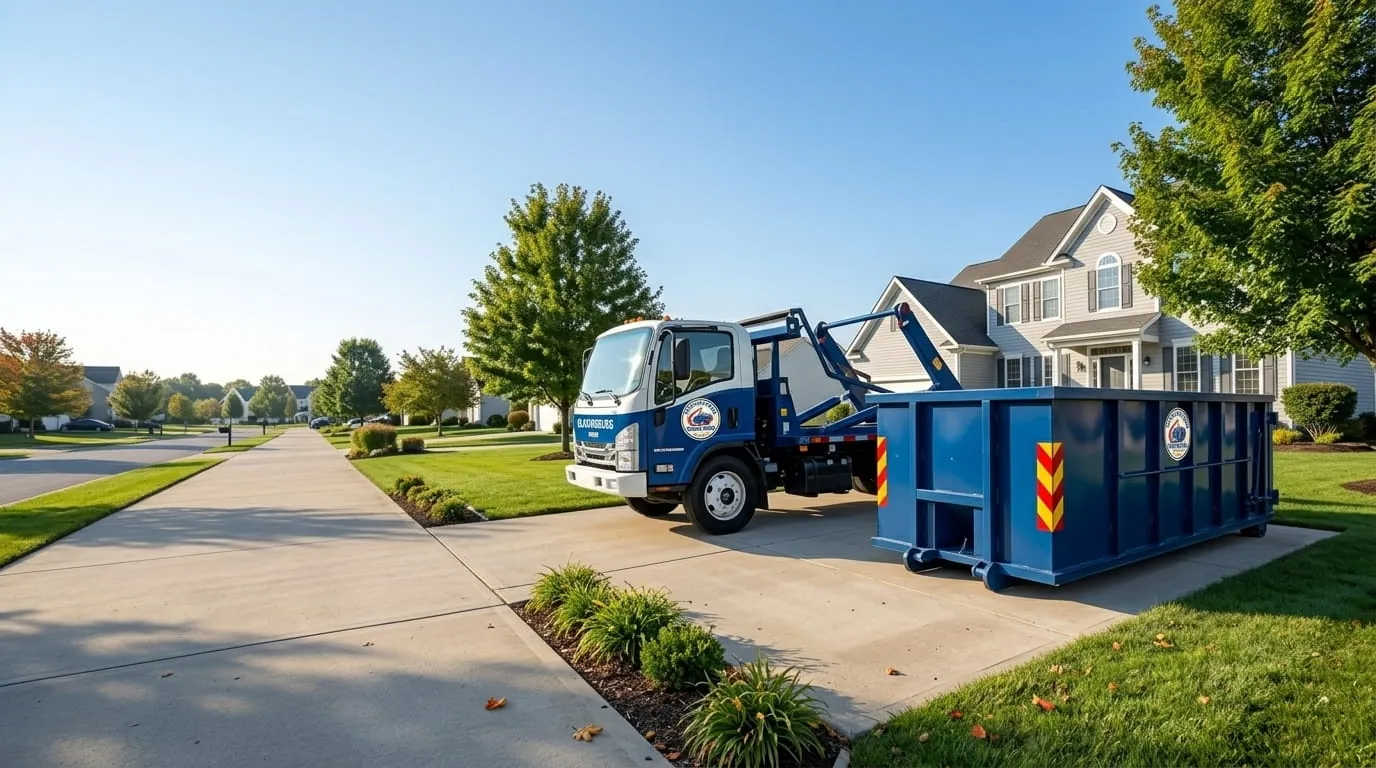
People assume that once a dumpster leaves the driveway, everything inside goes straight to a hole in the ground. That is not how it works around here, and it hasn't for a long time. A loaded roll-off out of Bloomsburg passes through more hands and more sorting than most folks realize, and a fair chunk of what you throw in never sees a landfill cell at all. After enough years hauling containers across Columbia County, I've watched the back end of this business get a lot smarter. Here's what really happens to your debris, what's worth pulling out before it ever hits the box, and how to run a cleanup that's easier on the Susquehanna Valley we all live in.
Where Your Debris Actually Goes
When a container comes back full, it doesn't just get tipped and buried. Mixed construction and demolition loads typically head to a transfer station or a C&D processing facility first. There, the material gets run across a tipping floor and, at the better operations, over sorting lines. Steel and other metals get pulled with magnets and by hand. Clean wood gets separated for grinding into mulch or boiler fuel. Cardboard, when it's clean and dry, comes off for baling. Concrete, block, and brick get set aside for crushing into aggregate. What's left after all that — the drywall dust, the wet trash, the mixed junk that can't be economically separated — is what finally gets landfilled.
The economics drive the whole thing. Landfill tipping fees in Pennsylvania are not cheap, so processors have every reason to divert whatever has a market. That means the cleaner your load, the more of it gets recovered. A dumpster full of nothing but clean roofing shingles or nothing but concrete is far easier to divert than a container where drywall, food waste, carpet, and lumber are all mashed together. Source separation, even a little of it, moves the needle.
What Recycles Well Out of a Roll-Off
Not everything is worth pulling aside, but a few categories almost always pay off, both environmentally and sometimes on your wallet.
Metal. This is the easy one. Steel studs, copper pipe, aluminum gutters, cast iron radiators, appliances stripped of refrigerant, old fencing, rebar cutoffs — metal has real scrap value and is endlessly recyclable. If you've got a meaningful pile of clean metal, it's often worth running it to a scrap yard yourself before the dumpster ever shows up. Bloomsburg and the surrounding towns have buyers who'll weigh it and pay you. What does end up in the container still gets magnet-pulled downstream, but you capture more value taking it in yourself.
Cardboard. Renovations and move-outs generate mountains of it. Broken down flat and kept dry, cardboard is one of the most reliably recycled materials in the state. Wet or grease-soaked cardboard is a different story — once the fibers are contaminated, it's trash. Keep it out of the rain and flattened.
Clean wood. Untreated, unpainted dimensional lumber — old framing, pallets, cutoffs — grinds into mulch and fuel. The word that matters is clean. Pressure-treated lumber, painted trim, and engineered products loaded with adhesives don't qualify and can't go into the clean-wood stream. If you're demoing a deck, know that the green treated boards are handled differently than plain framing.
Concrete, brick, and block. Old sidewalk, foundation chunks, patio pavers, and masonry crush down into recycled aggregate used for road base and fill. This material is heavy, so keeping it in its own dedicated container makes both the recycling and the hauling weight math work better. Mixing a little dirt in is usually fine; mixing in wood and trash ruins the batch.
Pennsylvania's Electronics Ban — Know This One
Here's the rule that trips people up more than any other. Under Pennsylvania's Covered Device Recycling Act, it is against state law to throw "covered devices" in the trash or in a landfill-bound container. That covers desktop and laptop computers, monitors, televisions, tablets, e-readers, and computer peripherals. You cannot legally toss your old TV or CRT monitor into a roll-off, and any reputable hauler will tell you the same.
These items contain lead, mercury, and other materials that have no business leaching into ground near the river. Instead, they go to designated e-waste collection points — many run through the county, through retailer take-back programs, or at periodic collection events. Set your electronics aside at the start of a cleanout so they don't get buried under the rest of the debris. The specifics of where and when to drop them off change, so confirm the current options with Columbia County or the Town of Bloomsburg before you assume a site is open.
The same goes for a handful of other problem items that don't belong in a general roll-off: paint and solvents, automotive fluids, batteries, propane tanks, fluorescent tubes and CFL bulbs, tires, and anything with refrigerant. These have their own handling paths, usually through household hazardous waste collection events. When in doubt, ask before you toss.
Not sure whether something belongs in the box? Call us at (272) 203-8539 and just ask. It takes thirty seconds and it saves everyone a headache — a mis-loaded container can mean a rejected load or an overweight ticket, and neither is fun to sort out after the fact.
Donate Before You Dump
A dumpster is the right tool for genuine debris, but a surprising amount of what ends up in cleanout containers isn't debris at all — it's usable stuff nobody bothered to separate. Cabinets pulled during a kitchen remodel, working appliances, doors, windows, light fixtures, lumber, furniture, and building materials all have a second life if they're in decent shape.
Local reuse outlets, building-material salvage operations, and charities in the Bloomsburg area will take a lot of this off your hands, and depending on the organization you may get a donation receipt for the deduction. Set the good stuff aside on day one. Once it goes in the container and gets a load of drywall dumped on top, it's no longer donatable — it's landfill. For the odds and ends that are usable but too scattered to donate, a light junk removal pass can separate the keepers from the trash before the roll-off even arrives.
The Cheapest Waste Is the Waste You Never Make
Diversion matters, but reduction beats it every time. A few habits keep the whole volume down:
- Deconstruct instead of demolish where it's practical. Carefully removing cabinets, trim, and fixtures preserves them for reuse instead of turning everything into rubble.
- Order materials tighter. Overbuying lumber, drywall, and flooring is one of the biggest sources of jobsite waste. Measure twice, order close.
- Keep streams separate on-site. A metal pile, a clean-wood pile, and a general debris container cost a little organization and recover a lot of material.
- Right-size the container. An oversized dumpster tempts people to fill the extra space with stuff that could have been sorted. Get the size that fits the job.
A quick example from a bathroom-and-hall remodel we serviced off Market Street: the crew set aside a bin for scrap copper and steel, stacked the good cabinets in the garage for a salvage pickup, flattened every box against the wall, and only then filled the roll-off with what was truly waste. That container came back maybe two-thirds as full as it would have otherwise, and the homeowner walked away with a scrap check and a donation receipt. Same job, less buried, less paid.
None of this is complicated. It's mostly about deciding, before the work starts, where each kind of material is going to end up. Ten minutes of planning at the front of a project quietly cuts what you pay and what gets buried.
Why the River Is Part of This
Bloomsburg sits in the Susquehanna River watershed, and that's not an abstraction — the Susquehanna is the largest tributary to the Chesapeake Bay, and what happens on the ground in Columbia County travels downstream. Debris managed carelessly is how contaminants get into stormwater and, eventually, into the creeks that feed the river. That's the whole reason the electronics ban and hazardous-material rules exist: keep the lead, mercury, solvents, and fuels out of the water table.
Responsible disposal here isn't box-checking. Every load that gets sorted instead of dumped, every TV that goes to e-waste instead of a landfill, every gallon of paint that reaches a collection event rather than a container — it adds up across a whole county's worth of projects. We've hauled in this valley long enough to take that seriously, and it's a big part of how we run. You can read more about how we operate on our about page.
Confirm the Specifics Locally
One honest caveat: recycling rules, accepted materials, drop-off locations, and collection-event dates shift over time, and they vary between the Town of Bloomsburg and the broader Columbia County programs. What I've laid out here is the general shape of how things work and the state-level rules that don't change often. Before you finalize plans for electronics, hazardous materials, or a big diversion effort, verify the current details with Columbia County or the Town of Bloomsburg directly. And if you want a hauler who'll actually help you sort out what goes where, get in touch — we do this every day, and we're happy to point you in the right direction.

Founder, Bloomsburg Dumpster Rental Solutions — sharing straight advice from more than 15 years of local hauling experience.